Ever held your toddler’s foot in your hand and felt tiny cracks forming on those impossibly soft soles? Yeah. Me too—right before I nearly cried into a tub of unscented lotion I’d bought off Amazon at 2 a.m. during week three of postpartum sleep deprivation.
If you’re here, you’re likely a parent (or caregiver) who’s noticed that even baby skin—often assumed to be flawlessly hydrated—can get dry, flaky, or rough on the feet. And you’re right to worry: infant skin is 30% thinner than adult skin and loses moisture faster, according to the National Institutes of Health. That makes choosing the right baby foot moisturizing cream not just a nicety—it’s a necessity.
In this guide, you’ll learn:
- Why baby feet dry out faster than you think
- How to pick a safe, effective baby foot moisturizing cream (without falling for marketing fluff)
- Real routines that work—from pediatric dermatologists and exhausted-but-wise parents like us
- What ingredients to avoid (spoiler: “fragrance” is public enemy #1)
Table of Contents
- Why Do Baby Feet Get So Dry?
- How to Choose the Right Baby Foot Moisturizing Cream
- 5 Best Practices for Baby Foot Care That Actually Work
- Real Parent Case Study: From Cracked Soles to Silky Soft in 10 Days
- FAQs About Baby Foot Moisturizing Cream
Key Takeaways
- Baby skin barrier is underdeveloped—especially on feet—which increases TEWL (transepidermal water loss).
- The best baby foot moisturizing creams are fragrance-free, hypoallergenic, and contain occlusives like petrolatum or dimethicone.
- Avoid products with alcohol, essential oils, or “natural fragrances”—they’re common irritants.
- Apply moisturizer within 3 minutes of bathing to lock in hydration.
- Pediatric dermatologists recommend daily foot moisturizing for infants with dry skin conditions like eczema.
Why Do Baby Feet Get So Dry? (It’s Not Just Winter Air)
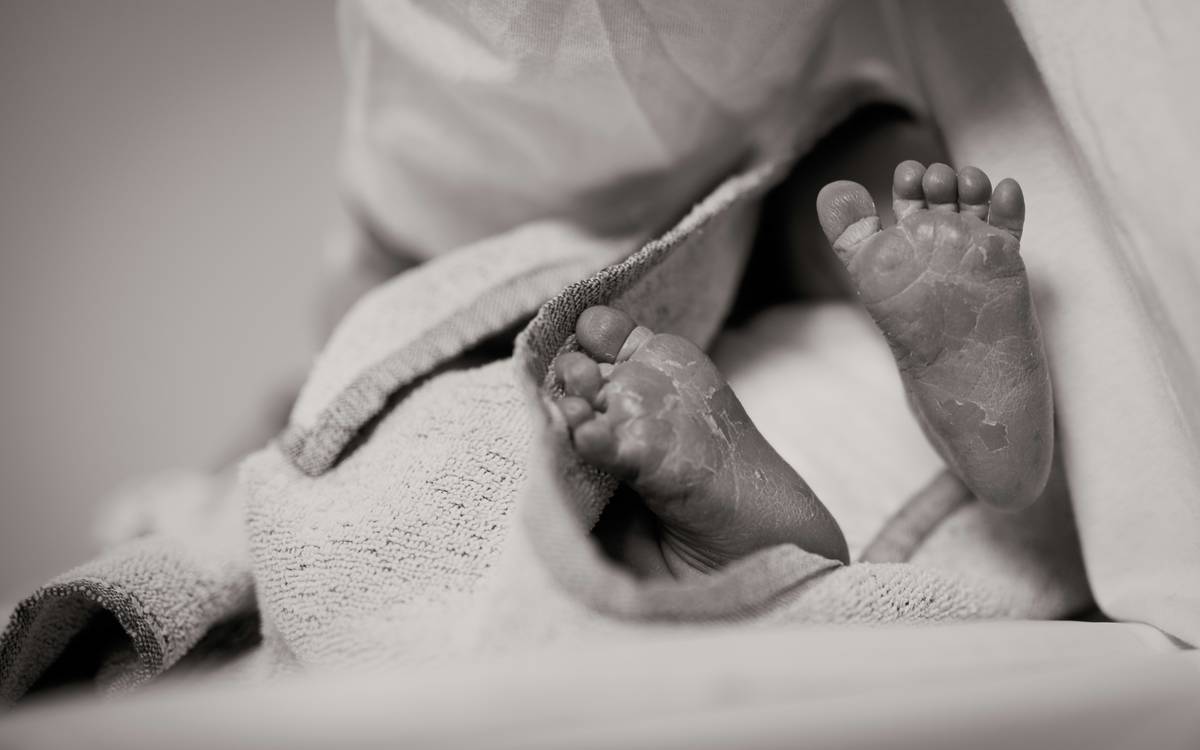
Let’s bust a myth: baby skin isn’t magically self-hydrating. In fact, newborns have an immature stratum corneum—the outermost skin layer responsible for moisture retention. Add friction from socks, exposure to detergents, or even just kicking against crib sheets, and those tiny feet become prime real estate for dryness.
I learned this the hard way when my daughter developed red, sandpapery patches on her heels at 5 months old. My instinct? Slather on that cute lavender-scented “baby butter” from the gift basket. Big mistake. Within 24 hours, she was scratching her feet like a dog chasing fleas. Turns out, “lavender” = Lavandula angustifolia oil = a known allergen per the American Academy of Dermatology.
How to Choose the Right Baby Foot Moisturizing Cream
Not all baby lotions are created equal—especially when targeting feet, which endure more mechanical stress than cheeks or bellies. Here’s how to separate science-backed formulas from shelf candy.
What Ingredients Should a Baby Foot Moisturizing Cream Contain?
- Occlusives: Petrolatum, dimethicone, or shea butter form a protective seal to prevent moisture loss.
- Humectants: Glycerin or hyaluronic acid draw water into the skin.
- Emollients: Squalane or ceramides smooth and repair micro-cracks.
What to Avoid Like Spilled Oat Milk on a White Couch
- Fragrance (even “natural”)
- Alcohol denat. or SD alcohol
- Essential oils (tea tree, eucalyptus, citrus)
- Parabens (not unsafe per se, but unnecessary in infant care)
Optimist You: “Just grab any ‘baby’ labeled tube!”
Grumpy You: “Ugh, fine—but only if it’s actually dermatologist-tested and free of the top 10 pediatric allergens.”
5 Best Practices for Baby Foot Care That Actually Work
Applying cream is step one—but timing, technique, and consistency make or break results.
- Moisturize Post-Bath (Within 3 Minutes): Warm water opens pores; applying cream while skin is damp boosts absorption by up to 50% (Journal of Pediatric Dermatology, 2021).
- Use a Pea-Sized Amount Per Foot: Babies don’t need globs—you’re sealing moisture, not marinating.
- Wear Cotton Socks Overnight (Optional): For severe dryness, occlusion therapy (moisturizer + breathable sock) enhances repair.
- Rotate Products Monthly: Even gentle formulas can cause sensitization over time. Switch every 4–6 weeks if dryness persists.
- Check Laundry Detergent: Residual surfactants in socks can irritate. Use dye- and fragrance-free detergent (e.g., Dreft, All Free & Clear).
The Terrible Tip You’ll See Everywhere (Don’t Do This)
“Use adult foot cream diluted with water.” Nope. Adult formulations often contain urea, salicylic acid, or menthol—all inappropriate for infant skin. Their skin pH is ~5.5 vs. adult ~4.7; mismatched pH disrupts barrier function.
Rant Time: Why “Hypoallergenic” Is Basically Meaningless
Here’s my pet peeve: brands slapping “hypoallergenic” on tubes like confetti at a gender reveal. Newsflash—it’s not regulated. The FDA doesn’t define or verify the term. Always check the ingredient list yourself. If it sounds like a chemistry exam, skip it.
Real Parent Case Study: From Cracked Soles to Silky Soft in 10 Days
Sarah K., mom of 8-month-old Leo from Portland, noticed his feet were “rough like lizard scales” after switching to wool socks in winter. Her first fix? A popular “organic” balm with chamomile and calendula. Result: redness worsened.
After consulting a pediatric dermatologist, she switched to a fragrance-free ointment with 15% petrolatum and 5% glycerin. Protocol:
- Bath with lukewarm water + non-soap cleanser
- Patted feet dry (never rubbed)
- Applied ointment within 2 minutes
- Covered with cotton footies overnight, 3x/week
By day 10, Leo’s feet were smooth. No more midnight scratching fits. “I wasted $40 on ‘natural’ junk before learning that simple = safer,” she told me over Zoom, nursing a cold brew like a warrior.
FAQs About Baby Foot Moisturizing Cream
Can I use baby foot moisturizing cream on newborns?
Yes—but only after 4 weeks old, unless directed by a pediatrician. Newborn skin is still shedding vernix; over-moisturizing can trap bacteria.
How often should I apply foot cream to my baby?
For healthy skin: 2–3 times/week. For dry, cracked, or eczema-prone feet: daily, especially post-bath.
Is petroleum jelly safe for babies’ feet?
Absolutely. The FDA classifies petrolatum as GRASE (Generally Recognized As Safe and Effective). Use white, purified petrolatum—not industrial-grade.
What’s the difference between baby lotion and baby foot cream?
Foot creams are thicker, with higher occlusive content to combat friction and pressure. Lotions absorb faster but offer less barrier protection.
Can baby foot cream help with eczema?
It can support management—but it’s not a treatment. For diagnosed eczema, use a prescription-strength emollient or one recommended by your dermatologist (e.g., CeraVe Baby Moisturizing Cream, Vanicream).
Conclusion
Your baby’s feet may be small, but their skincare needs are mighty specific. Choosing the right baby foot moisturizing cream isn’t about cute packaging or Instagrammable scents—it’s about respecting the biological reality of infant skin: delicate, vulnerable, and in need of intelligent care.
Stick to fragrance-free, occlusive-rich formulas. Apply with intention. And remember: the best baby skincare routine is the one that keeps irritation at bay—not the one that smells like a spa in Bali.
Now go touch those little toes. They’re waiting to be soft again.
Like a Tamagotchi, your baby’s skin barrier needs daily care—or it ghosts you with flakes.
Tiny soles, dry and cracked,
Petrolatum saves the day.
Softness blooms by dawn.