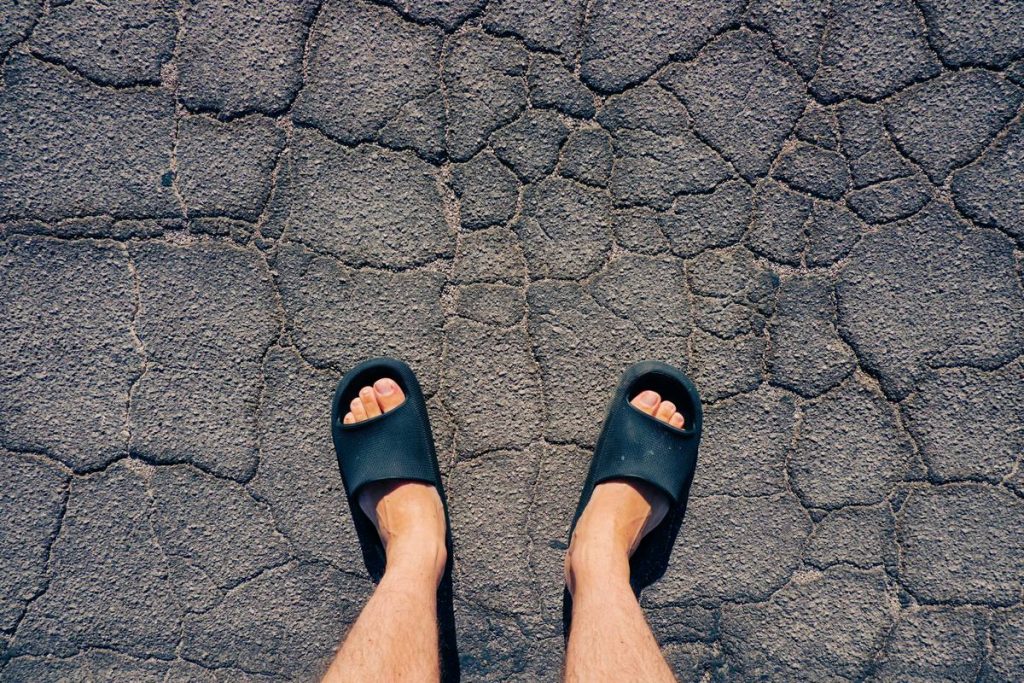
Your heels crack like desert earth by noon. You slather on lotion—again—and still wake up to flakes on your sheets. It’s frustrating, painful, and frankly, embarrassing when sandals season hits. The truth? Most “hydrating” foot creams are just fancy water in a jar. But the right formula—paired with the right routine—can deliver real, lasting moisture. Let’s fix this for good.
Why Typical Foot Creams Fail Miserably
Most drugstore “intensive moisturizers” rely on glycerin and water as their hero ingredients. Sounds hydrating—until you realize water evaporates fast, and glycerin pulls moisture from deeper skin layers if humidity is low. Net result? Temporary softness followed by rebound dryness. Worse, many skip occlusives entirely—the very agents that seal hydration in.
And heavy-duty urea or lactic acid formulas? They exfoliate brilliantly—but without adequate emollients, they strip the skin barrier further. You’re left with raw, stinging heels that feel worse than before.
How to Actually Lock in Hydration: A 3-Step Protocol
Forget random applications. Real hydration hinges on timing, layering, and ingredient synergy. Here’s what works:
Step 1: Cleanse Without Stripping
Wash feet with lukewarm water and a pH-balanced cleanser—never hot water or bar soap. Hot water dissolves natural oils; alkaline soaps disrupt the acid mantle. Pat dry—don’t rub.
Step 2: Apply Treatment on Damp Skin
This is non-negotiable. Apply your most hydrating foot cream within 60 seconds of drying. Skin still holds surface moisture—your cream traps it like a lid on a simmering pot.
Step 3: Occlude for Overnight Repair
Slip on cotton socks after application. Not optional. Occlusion boosts absorption by up to 300% and prevents trans-epidermal water loss while you sleep. Skip this, and half your product evaporates into thin air.
| Ingredient Type | Function | Key Examples | Absence = Failure? |
|---|---|---|---|
| Humectants | Pull water into skin | Urea (10–20%), Hyaluronic Acid, Glycerin | Yes—no water draw = dryness persists |
| Emollients | Smooth & soften cracks | Shea Butter, Squalane, Jojoba Oil | Yes—skin feels rough despite hydration |
| Occlusives | Seal in moisture | Petrolatum, Dimethicone, Beeswax | Absolutely—hydration leaks out overnight |
The Industry Secret: Layering > Single-Product Fixes
Here’s what formulators won’t tell you: No single cream does it all—unless you layer. Start with a humectant serum (think 10% urea gel) on clean, damp feet. Wait 2 minutes. Then apply a rich emollient cream loaded with shea butter. Finally, lock it down with a thin layer of pure petrolatum on problem zones—especially deep fissures. This mimics the skin’s natural lipid structure far better than any one-step product.
Think about it. Your face gets serums, moisturizers, and facial oils. Why should hardworking feet get less? The math is simple: multi-layer hydration = multi-level repair.
FAQ
What makes a foot cream truly hydrating?
It must combine humectants (to attract water), emollients (to smooth), and occlusives (to seal). Missing any one component drastically reduces effectiveness.
Can I use body lotion on my feet instead?
Not ideal. Feet have thicker stratum corneum and need higher concentrations of actives like urea. Regular body lotions lack the penetration power and occlusive strength required.
How often should I apply the most hydrating foot cream?
Daily—at bedtime, on damp skin, under socks. For severe cracks, add a midday reapplication focusing on heels and balls of feet.